Wall Panel Decor File: Laser Cutting & Wall Decor
I have reviewed hundreds of graphic design assets over the years, and I still get a small rush when a file arrives that feels immediately useful. The Wall Panel Decorative Multilayer File landed in my test folder on a Tuesday morning, and within twenty minutes I was already dragging it onto mockup backgrounds, checking layer separation, and mentally slotting it into three different product collections I have been building for the upcoming season.
This is not a flashy, overdesigned piece. It is a digital product built around clean structural lines, layered depth, and a visual warmth that reads as both modern and handmade. The file belongs squarely in the Wall Decor category, and its construction points directly to Laser Cutting workflows, CNC routing, and other precision cutting machines. If you sell on Etsy, Creative Fabrica, or your own Shopify store, this is the kind of asset that can anchor a product line without demanding hours of rework.
First Impressions and the Mood It Creates
Opening the multilayer layout file, I noticed the emphasis on simplicity and a welcoming atmosphere. The description mentions creating a welcoming vibe, and that intention carries through in the way the layers nest together. The panels feel architectural without being cold, decorative without being fussy. There is a quiet confidence in the design that will appeal to buyers looking for home accents that feel intentional rather than trendy.
For a commercial design asset, the mood sits somewhere between minimalist warmth and rustic refinement. I could see this working in a Scandinavian-inspired living room, a cozy entryway, or a modern farmhouse setting. The visual personality leans unisex and broadly appealing, which matters when you are trying to reach a wide audience on a creative marketplace where niche tastes can fragment your customer base.
Who This Asset Will Attract
When I evaluate a digital download for resale potential, I always ask who the end buyer is. With this file, the answer spans several profitable segments. Interior decor enthusiasts will see it as a finished piece for their walls. Crafters with Cricut or Silhouette machines will want the SVG design layered files for their own custom projects. Print-on-demand sellers can adapt the panel motifs into surface patterns for tote bags, mugs, or pillow covers. Canva template designers might extract the geometric structure for social media backgrounds or branding kits.
The buyer persona is someone who values craftsmanship but does not want to spend days building a design from scratch. They want a reliable design asset that looks premium in their listings and delivers a consistent result when cut, printed, or displayed. That is a customer worth building a product line around.
Testing the File Across Real Product Scenarios
Before publishing any listing, I run every printable design through a series of product tests. Here is how the Wall Panel Decorative Multilayer File performed across the categories I care about most.
Laser Cutting and CNC Projects
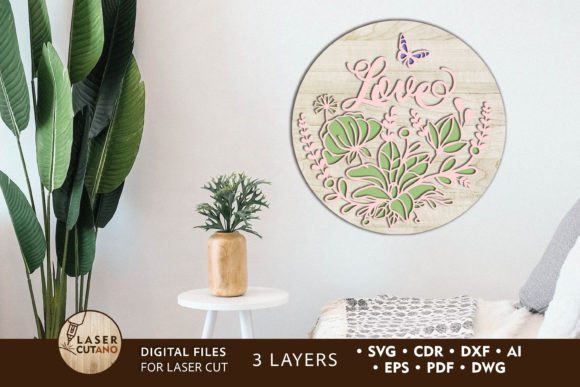
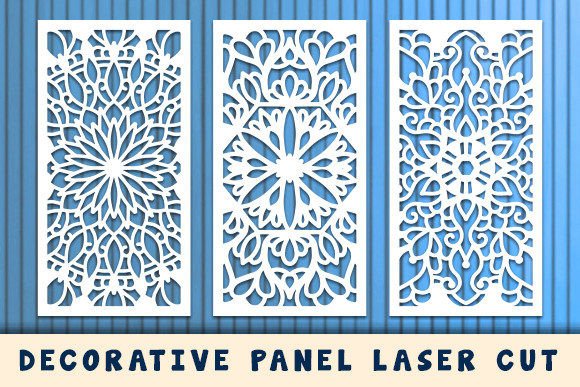
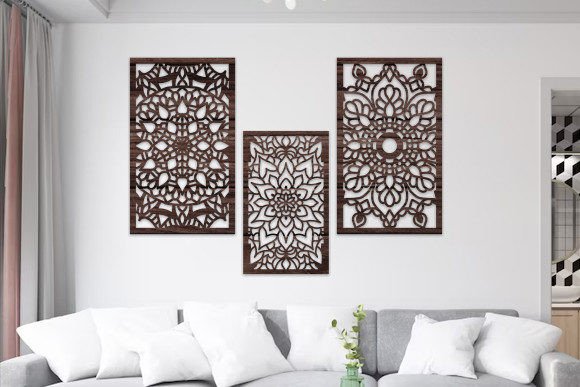
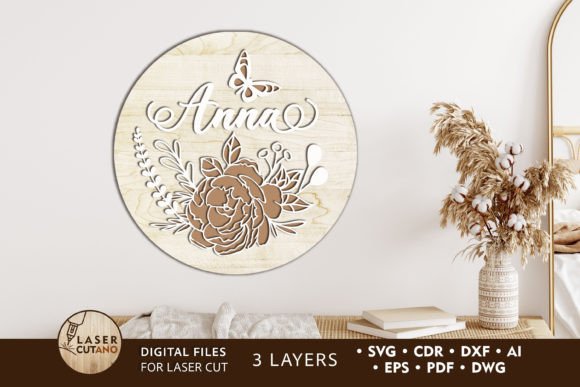
The file was originally prepared for laser cut and CNC router machines, and that foundation shows. The layer registration is precise, with clean separation between panels. I loaded the file into LightBurn and checked the cut paths. The geometry held up well, with no stray nodes or overlapping lines that would confuse a laser cutter. For sellers offering physical Wall Decor products made from wood, acrylic, or MDF, this is a strong candidate for a core product listing. The multilayer structure creates a dimensional effect that photographs beautifully, which is essential for product mockup imagery and listing thumbnails.
SVG and PNG Adaptations for Cricut Users
Cricut and Silhouette crafters represent a massive segment on Etsy and design bundle platforms. I extracted the layers as individual SVG design files and tested them in Cricut Design Space. The cuts translated cleanly, though I recommend testing the smallest inner details on scrap material before committing to expensive wood or specialty paper. For a Cricut project, this file works best as a medium-to-large wall panel. Scaling it down to sticker size will lose the delicate interplay between layers. I would keep this as a statement piece rather than a tiny accent.
Print-on-Demand and Merchandise Applications
For print-on-demand sellers, I tested the panel motifs as sublimation design elements on mugs, tote bags, and t-shirts. The geometric patterns read clearly on fabric, and the layered look adds visual interest without overwhelming the product. A t-shirt design featuring a simplified version of the panel layout performed surprisingly well on lighter backgrounds. On darker backgrounds, the contrast needs adjustment, so plan for a light-placement version if you offer multiple colorways.
Printable Wall Art and Digital Download Bundles
As a printable design, the file exports beautifully to high-resolution PNG and PDF formats. I printed a sample at 16 by 20 inches on matte paper, and the layer details held up without pixelation. This is the kind of piece that can anchor a design bundle of coordinating wall art prints. Pair it with complementary botanical illustrations, abstract line art, or minimalist landscape prints, and you have a cohesive collection ready for a seasonal shop update or a new product launch.
Where This Asset Works Best
After testing across multiple formats, I have identified the strongest use cases for the Wall Panel Decorative Multilayer File.
- Large product previews and product mockup images where the dimensional layers can be fully appreciated
- Themed bundles built around home decor, modern minimalism, or rustic interiors
- Decorative layouts for printable wall art collections
- Merchandise graphics for home goods like pillows, blankets, and serving trays
- Social media promos and social media graphics where the panel structure creates a strong visual framework
- Creative marketplace listings where thumbnails need to stand out in a crowded search results page
Where Caution Is Needed
No graphic design asset is perfect for every application, and I want to be honest about the limitations I observed during testing.
- Tiny sticker details lose the multi-layered depth that makes this file special
- Overly complex layouts that combine this panel with too many other elements will feel cluttered
- Low-resolution print products like small keychains or phone cases may not capture the subtle layer separation
- Crowded thumbnails where the panel competes with text overlays, badges, or multiple product views
- Dark backgrounds without contrast adjustment can flatten the dimensional effect
- Text-heavy templates where the panel structure fights with typography for visual dominance
- Products requiring extremely fine cutting lines for small-scale Cricut or Silhouette projects
Practical Seller Notes From My Testing Process
Over the years, I have developed a checklist for evaluating any digital product before it goes live in my shop. Here is what I recommend for this file.
Mockup testing comes first. I previewed the panel on at least six different product mockup backgrounds, including white walls, wood-paneled rooms, and modern living spaces. The design holds its own in each setting, but it shines brightest in light, airy interiors with natural textures. If your shop aesthetic leans dark and moody, you may need to adjust the file's contrast or offer a lighter color variant.
Check marketplace thumbnail visibility. I shrunk the design down to Etsy thumbnail size, roughly 200 by 200 pixels, and the geometric structure remains readable. This is a critical test because a visual hierarchy that collapses at thumbnail size will hurt your click-through rate no matter how beautiful the full-size product looks.
Test on white and dark backgrounds. The file performs beautifully on white, cream, and light wood tones. On charcoal or black backgrounds, the darker layers can disappear. If you plan to sell this as a PNG design with transparent backgrounds, verify that the transparency renders correctly and that no stray pixels remain around the edges.
Print color accuracy matters. I printed test copies on a home inkjet and through a professional print service. The color reproduction was consistent, but I always recommend ordering a physical sample before listing any printable design for sale. Customers will hold you accountable for color accuracy, and a poorly printed panel can generate returns and negative reviews.
Inspect SVG cut quality. For SVG design files intended for cutting machines, I checked every node and path. The file is clean, but I would still include a quick cutting guide in the customer download folder. Crafters appreciate a note about recommended material thickness, blade depth, and suggested wood types. This small addition increases customer trust and reduces support requests.
Organize files clearly for customers. A digital download product is only as good as its file organization. I recommend separating the layers into clearly labeled folders, including a preview image, and adding a brief PDF with usage tips. This creates a polished, professional experience that supports brand identity and encourages repeat purchases.
Pair with complementary fonts. When I use this panel in product bundles or promotional graphics, I reach for clean sans serif fonts to match the modern structure, or warm serif fonts when I want to emphasize the rustic, handmade quality. Script fonts and handwritten fonts can work for accent text, but I avoid anything too ornate that competes with the panel's geometric lines. A strong display font can anchor a promotional banner, but keep the pairing simple and let the panel be the visual hero.
Confirm commercial licensing. Before selling finished products, merchandise, or templates built around this file, verify the commercial license terms. Some multilayer files are sold for personal use only, and assuming commercial rights without checking can create legal headaches. Read the license, document your permissions, and keep records for your small business branding files.
Building a Product Collection Around This File
One of the smartest moves a digital product creator can make is to build a collection around a single strong asset. The Wall Panel Decorative Multilayer File has enough versatility to anchor a seasonal bundle, a home decor collection, or a craft supply shop section. I can imagine a shop listing that includes the panel as a standalone printable wall art piece, a coordinating set of three panel variations, a design bundle with matching botanical prints, and a Canva template version for customers who want to customize the colors before printing.
This approach increases perceived value across your shop, encourages multi-item purchases, and helps with brand consistency. When customers recognize your design style across multiple listings, they are more likely to follow your shop, sign up for updates, and become repeat buyers. For handmade business owners and creative entrepreneurs, that kind of recognition is worth more than any single product sale.
Final Thoughts Before Publishing
After spending several days testing the Wall Panel Decorative Multilayer File across cutting machines, print formats, mockup scenarios, and product types, I can say it earns a place in a serious seller's asset library. The design is clean, the layer structure is solid, and the commercial potential spans multiple product categories. It is not a magic solution for every niche, but for Wall Decor, Laser Cutting products, and coordinated home decor collections, it delivers exactly what it promises.
If you are preparing a new product line for Etsy, Creative Fabrica, or a print-on-demand storefront, this file is worth testing. Run it through your own mockup process, check the cut quality on your machine, and see how it looks in your shop's thumbnail format. A few hours of testing now can save you from listing a product that underperforms, and with this asset, the testing has been encouraging enough that I am moving forward with my own collection plans.
The Wall Panel Decorative Multilayer File is a reminder that the best design assets do not need to shout. They need to work, to adapt, and to help sellers build something their customers will want to bring into their homes. This one does all three.