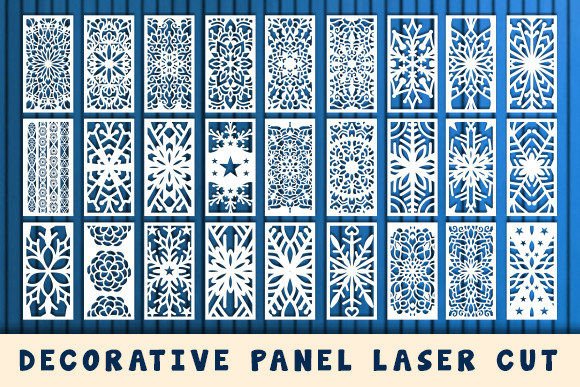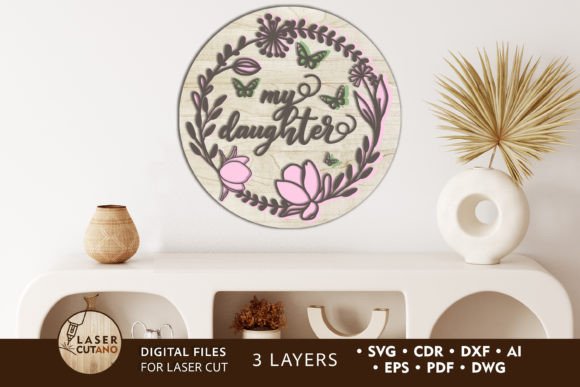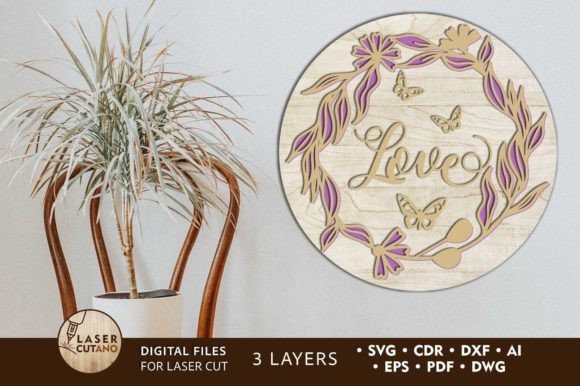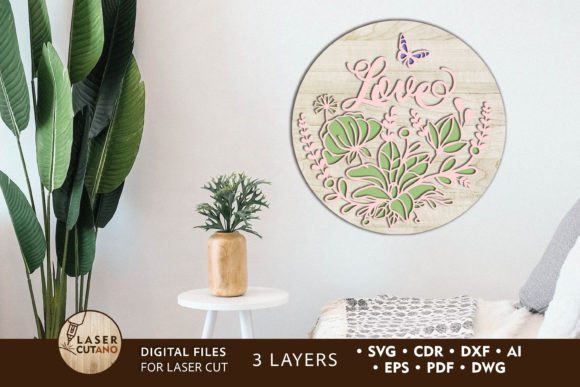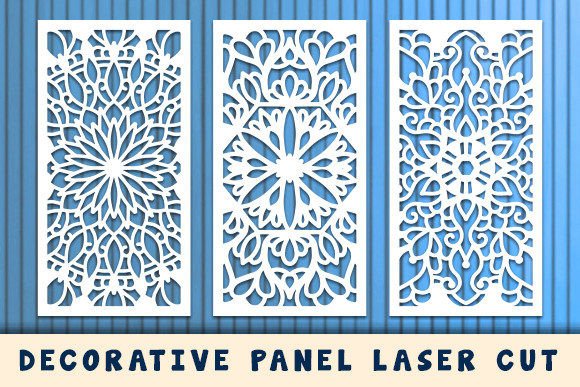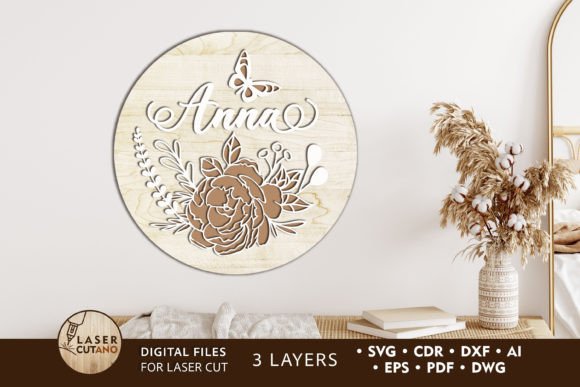
Decorative Wall Panel Laser Cut Files for Wall Decor
When a new graphic design asset lands in my inbox, I don’t look at it as a finished piece of art. I see it through the lens of a seller preparing a product line for Etsy, Creative Fabrica, or a Shopify digital download store. The Decorative Wall Panel, Laser Cut Files caught my attention because it sits in the sweet spot between functional cutting templates and purely decorative digital art. I wanted to test how it could perform across multiple product categories — from physical wall decor to printable bundles — and whether it truly supported a polished, sellable look.
First Impressions and the Mood It Creates
Opening the file, I immediately noticed the layered structure. The SIGN Digital multilayer layout files are clearly built with laser cutting and CNC router machines in mind, but the visual language feels much broader. The design has a gentle, almost architectural rhythm. It reads as modern but not cold, with a hint of organic warmth that suggests a welcoming vibe when displayed. I could picture it in a Scandinavian-inspired living room, a boutique hotel lobby, or even a minimalist nursery. The mood is clean, airy, and quietly elegant — the kind of decor that attracts buyers who want a statement piece without visual clutter.
For a digital product creator, this emotional readability matters. When a design telegraphs its mood instantly, it becomes easier to write listing copy, choose complementary mockup backgrounds, and forecast which customer segments will click “Add to Cart.” The Decorative Wall Panel, Laser Cut Files leans into a sophisticated yet approachable niche, which works well for wall decor sellers targeting homeowners, interior designers, and handmade gift buyers.
Testing the Asset for a Real Etsy Shop Scenario
I decided to run a practical test as if I were launching a new wall decor collection. I prepared three product concepts: a downloadable SVG bundle for Cricut and laser users, a set of printable wall art prints, and a Canva template for DIY home staging. The goal was to see how the panel design could adapt without losing its integrity.
For the SVG route, I checked the cut lines. The multilayer layout was clean, with well-separated scored and cut layers. I ran a test cut on a hobby laser machine and the pieces fit together smoothly. The panel’s repeatable geometric pattern made it easy to scale to different sizes, so I could offer small accent panels and large statement pieces from the same file. That flexibility is a huge asset when you’re building a product listing with multiple size options.
For the printable wall art concept, I imported the design into a mockup. I placed the panel graphic on a high-resolution JPEG canvas with a soft linen background. The result looked like a premium art print, not a repurposed machine file. This made me realize the design’s secondary value: even sellers without cutting machines can use it as a decorative SVG or PNG element in digital art compositions.
In the Canva template test, I layered the panel behind a simple inspirational quote. The geometric lines added visual interest without overpowering the text. I could easily see this used for social media graphics, blog headers, or even printable planner covers. The key takeaway was that the Decorative Wall Panel, Laser Cut Files is not just a one-tool asset; it’s a design building block you can repurpose across physical and digital products.
Where This Design Shines in Product Listings
After testing, I mapped out the strongest selling scenarios. The asset performs exceptionally well as a hero image in mockup previews. When I placed the panel on a lifestyle mockup — a well-lit living room scene with natural wood tones — the thumbnail instantly communicated the end result. This is crucial for click-through rates on Etsy or Creative Fabrica. A listing that shows a finished, realistic product builds trust and perceived value.
I also found the design works beautifully in themed bundles. Pairing it with other botanical or minimalist wall decor elements creates a cohesive collection. Buyers who purchase a bundle feel they’re getting a curated set, which can increase average order value. The design’s neutral character means it doesn’t clash with seasonal or color-specific assets, so you can slot it into spring, autumn, or even holiday collections by adjusting the accent colors or background textures.
Product Types That Fit the Decorative Panel
I compiled a list of realistic product formats where this asset can be used without extensive modification:
- Laser cut files — the original intent, perfect for CNC and laser cutting enthusiasts.
- SVG and PNG designs — for crafters making Cricut projects, vinyl decals, or scorings.
- Printable wall art — high-resolution files for home decor downloads.
- Canva templates — add the panel as a background layer for social media or invitation suites.
- Sublimation designs — for tumblers, mugs, or textile prints where a subtle geometric pattern elevates the product.
- Clipart bundles — the panel can be isolated as a decorative element in scrapbooking kits.
- Product mockups — use the panel to create staged scenes that showcase your own products.
- Greeting cards and invitation templates — the layered look adds a handmade, premium feel.
In each case, the commercial appeal hinges on how you present the file. Organizing the downloads clearly — separated by format, size, and license type — makes a huge difference in customer satisfaction. I always include a simple PDF guide explaining compatible machines and suggested material thicknesses when selling laser cut files.
Watch Out for These Tricky Use Cases
No design is universally perfect. I found a few scenarios where the Decorative Wall Panel, Laser Cut Files should be used with extra care or avoided altogether.
First, tiny sticker designs. The panel’s intricate cuts and layered details can become muddy when scaled down to one-inch kiss-cut stickers. The visual impact disappears, and the lines may not separate cleanly enough for a Cricut or Silhouette to cut precisely. If you want to use it in sticker form, I recommend extracting a simplified portion of the pattern rather than the whole panel.
Second, low-resolution print products. The panel’s beauty relies on crisp edges. If you export it at 150 DPI or less for a large-format canvas, the result will look soft and unprofessional. Always test print at 100% scale on a small section before committing to a full production run. I learned this the hard way with a tote bag order that came back fuzzy because I didn’t check the effective resolution on the mockup.
Third, text-heavy templates. While the panel works as a subtle backdrop, if you place a long paragraph of script font over it, the visual hierarchy breaks down. The eye competes between the decorative lines and the letterforms. I’d limit its use to areas with minimal text or pair it with a bold, clean sans serif that holds its own against the background.
Finally, dark backgrounds. The panel’s default light and airy structure can lose contrast on a black or charcoal substrate. If you invert the colors, test the cut paths carefully — some laser cutting software may interpret reversed layers differently. Always preview the design on both light and dark mockups before listing.
Practical Seller Checklist Before You Publish
Based on my testing, here’s a checklist I’d follow before releasing any product that includes this asset:
- Test on real mockups — not just digital previews, but printed or cut samples if possible. There’s no substitute for holding the final product.
- Preview as a marketplace thumbnail — shrink your listing image to 200px wide and see if the design still reads clearly. If it turns into a blur, you need a simpler composition.
- Check on white and dark backgrounds — ensure the design maintains contrast. I’d keep a version with a subtle off-white background as a fallback.
- Verify PNG transparency — if you’re selling a clipart or overlay version, confirm there are no stray pixels along the edges.
- Inspect SVG cut quality — open the file in your cutting software, simulate the cut order, and check for overlapping paths or open nodes.
- Confirm file resolution — for printables, stick to 300 DPI. For large-format panels, 150 DPI can work if the viewing distance is greater, but I’d still prefer 300.
- Organize files clearly — name folders with the format, size, and license type. A “Laser Files” folder should contain the original multilayer layout, while a “SVG” folder holds the simplified version for crafters.
- Read the commercial license — the original description from SIGN Digital indicates the files are for laser cut and CNC use. Before selling finished physical products or bundled digital downloads, verify that the license allows derivative works and commercial resale. If it’s a standard personal use license, you may need to purchase an extended commercial license.
Font Pairing and Branding Tips
When I integrate a decorative asset like this into a branded product line, I always test a few font families. The Decorative Wall Panel, Laser Cut Files has a geometric, almost architectural quality, so it pairs beautifully with a clean sans serif like Montserrat or Open Sans for modern look. For a softer, more handmade feel, I’d use a script font with flowing ligatures — but keep the text short and the font size large enough to stand out against the panel’s lines. Serif fonts with delicate strokes can also work if the panel is set to a lighter opacity. I’d avoid overly decorative or blackletter fonts that compete with the design’s own embellishments.
For brand consistency, I recommend creating a style guide that includes the panel’s color codes, recommended background hues, and a set of approved font pairings. This way, you can extend the asset across multiple products — from thank-you cards to packaging inserts — without losing visual cohesion.
Final Thoughts on Commercial Value
After a full week of testing, I’m comfortable saying the Decorative Wall Panel, Laser Cut Files is a valuable addition to a digital product creator’s toolkit. It’s not a one-click miracle, but it provides a solid foundation for multiple product lines when used thoughtfully. The fact that it’s a multilayer layout designed for laser cutting and CNC machines gives it a structural authenticity that many purely decorative graphics lack. That authenticity translates into higher perceived value for customers who understand the craft behind the file.
For Etsy sellers, the design can anchor a wall decor collection that spans physical and digital goods. For print-on-demand creators, it can become a signature pattern that differentiates a mug or tote bag from the sea of generic clipart. For Canva template artists, it adds a layer of sophistication that justifies a higher price point. The key is to test thoroughly, adapt carefully, and always present the asset in a way that honors its original elegant, welcoming vibe.