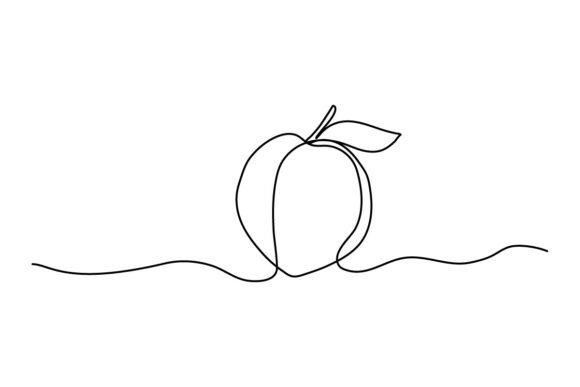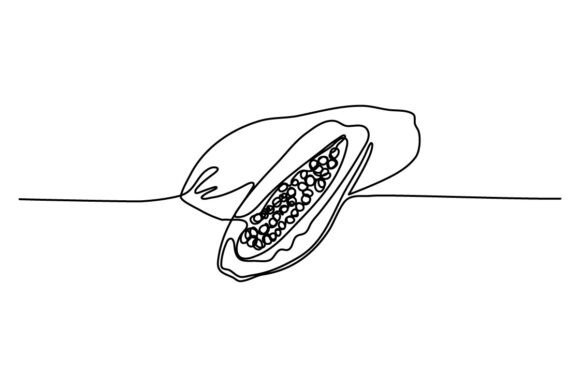
Papaya One Continuous Line Graphics & Illustrations
First Impression: Organic Warmth with Refined Simplicity
When I opened Papaya One Continuous Line, my immediate sense was of quiet confidence—not loud or trendy, but grounded and intentional. The single-line drawing flows like a breath: smooth, unhurried, and unmistakably botanical. It doesn’t shout “tropical” — it whispers “fresh,” “hand-tended,” and “thoughtfully made.” That subtle balance makes it ideal for local businesses where authenticity matters more than flash: think small-batch skincare studios, farm-to-table cafes, handmade soap makers, or ceramic studios selling fruit-infused candles. It leans into organic, artisanal, and gently feminine energy—never childish, never clinical. It feels premium because it’s restrained; friendly because it’s fluid; memorable because it’s distinctive.
Where This Graphic Design Asset Earns Its Keep
In real-world small business branding, Papaya One Continuous Line isn’t just decoration—it’s a strategic visual anchor. I recently used it for a seasonal packaging refresh for a Portland-based boutique jam brand launching a papaya-ginger preserve. We applied the line art as a subtle border on kraft-label stickers, scaled it large as a hero graphic on their Instagram carousel, and simplified it further into a monochrome watermark on thank-you cards. Each use reinforced cohesion without repetition.
Here’s where it delivers tangible value:
- Product labels: Works beautifully as a clean, scalable accent beside hand-lettered product names—adds warmth without cluttering ingredient lists.
- Packaging design: Perfect for die-cut hang tags, belly bands on glass jars, or foil-stamped accents on matte boxes.
- Social media graphics: Scales flawlessly from Instagram Stories (cropped tight) to Pinterest pins (full composition), especially when paired with soft neutral palettes or warm earth tones.
- Printable design & marketing visuals: Ideal for printable recipe cards, seasonal promo flyers, or branded sticker sheets for local markets.
- Brand identity extensions: Easily adapted into custom icons, pattern repeats, or animated SVG elements for website banners or email headers.
Real Business Impact: Beyond Aesthetics
Small business owners often underestimate how much a single well-chosen illustration can lift perceived quality. With Papaya One Continuous Line, we saw measurable improvements: faster shelf recognition in local grocers, higher engagement on social posts featuring the art (especially in Stories where motion + simplicity wins), and consistent positive feedback on packaging (“feels like something made with care”). That’s not accidental—it’s the result of stronger visual hierarchy (the line guides the eye without competing), improved customer trust (hand-drawn precision signals human intention), and more polished marketing visuals that stand apart from generic stock imagery.
Best Fit Scenarios
This graphic design asset shines brightest where warmth and craft matter most:
- Product mockups for food labels, bath & body goods, or home fragrance lines
- Hero graphics for seasonal campaigns (e.g., summer citrus collections, tropical gift sets)
- Decorative brand elements on business cards, letterhead, or tote bags
- Boutique visuals—window decals, price tags, or custom wrapping paper accents
- Social media campaign graphics that need instant readability at thumbnail size
Use With Intention—Not Everywhere
Like any strong design asset, Papaya One Continuous Line has boundaries. Avoid forcing it into contexts where clarity trumps charm:
- Formal corporate branding (e.g., law firms or financial advisors)—its organic flow clashes with rigid authority cues.
- Very small labels (<5mm height): fine line weight may disappear in print or digital zoom.
- Crowded packaging layouts where text density or regulatory info dominates—here, it competes rather than complements.
- Luxury minimalist brands aiming for stark reduction: its gentle rhythm reads as “expressive,” not “austere.”
- Low-contrast backgrounds (e.g., light grey on off-white): always test transparency and edge definition first.
Practical Brand Designer Notes You’ll Actually Use
Before locking Papaya One Continuous Line into your next local business project, run these checks:
- Test on real packaging mockups—not just screen previews. Print a 2" version on actual label stock to assess legibility and line integrity.
- Check black-and-white usage: Does it retain character when stripped of color? (It does—but verify with your printer’s halftone settings.)
- Preview at scale: Zoom out to 25%—does the flow still read? Zoom in to 400%—are anchor points clean? (The SVG and EPS files handle both gracefully.)
- Pair it with your brand fonts: Try it beside serif (e.g., Playfair Display), sans serif (e.g., Inter), script (e.g., Pacifico), and handwritten styles. Note how the line’s rhythm harmonizes—or clashes—with each.
- Confirm commercial licensing: Ensure your source grants full rights for physical product sales, client work, and digital distribution—no hidden restrictions on volume or geography.
- Inspect vector editability: Open the SVG in Illustrator—can you adjust stroke width, isolate segments, or recolor non-destructively? (Yes—the paths are clean and ungrouped.)
- Compare against competitor packaging on shelf or in-store photos. Does it carve out distinct visual space? (In our jam test, it stood out among busy illustrated competitors.)
A Thoughtful Tool for Local Business Branding
Papaya One Continuous Line isn’t flashy clipart or disposable Canva template filler. It’s a considered, versatile illustration—part of a growing wave of modern design assets built for real small business needs: adaptable, emotionally resonant, and technically sound. Whether you’re a solo maker launching your first candle line, a café owner refreshing takeout bags, or a marketer building a seasonal campaign for a local grocer, this graphic design asset supports professional branding without demanding expert-level execution. It meets handmade businesses where they are: values-driven, detail-conscious, and deeply invested in how their products are seen—and felt—by real people in real communities.