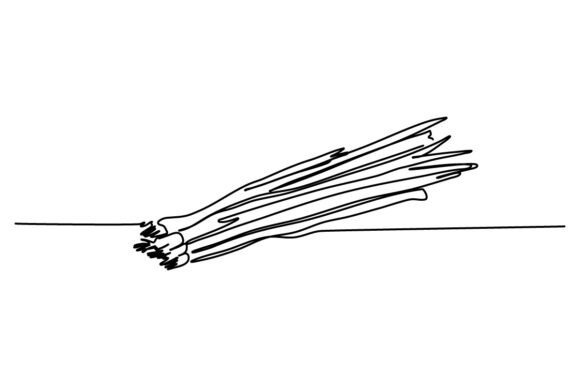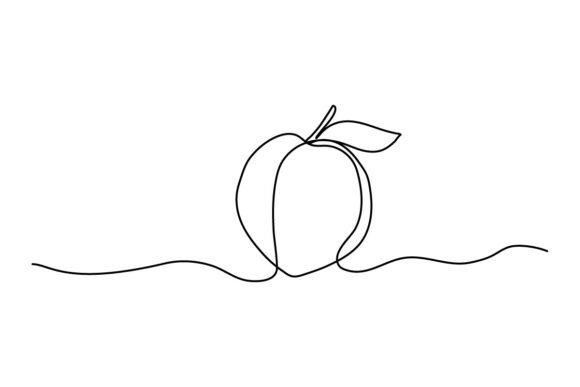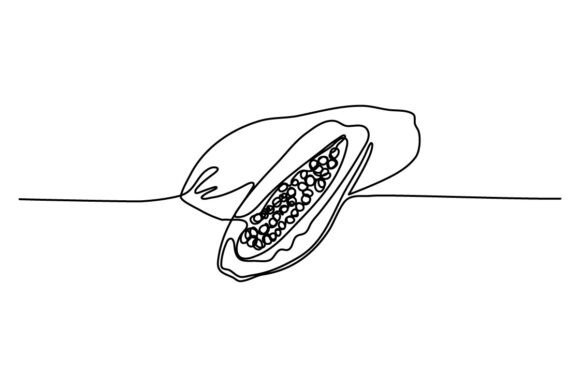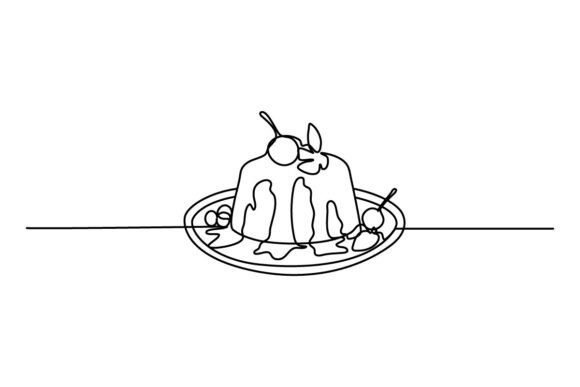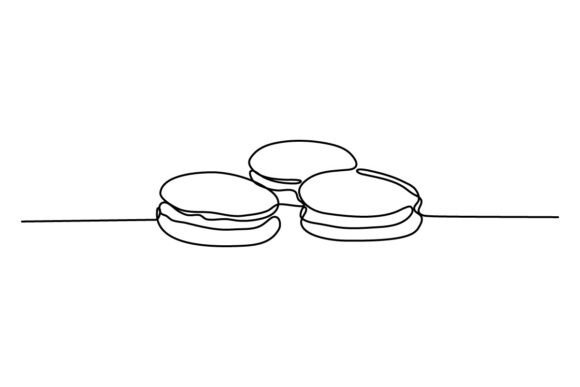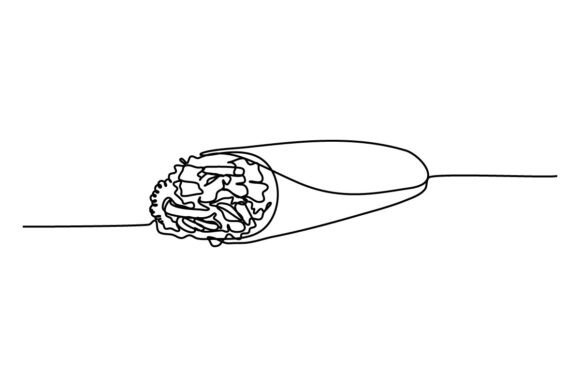
Kebab One Continuous Line: Graphics & Illustrations
As someone who’s launched over 200 digital product listings across Etsy, Creative Market, and Printful—and built a full-time income from design assets—I opened Kebab One Continuous Line expecting something simple, but walked away impressed by its quiet versatility. It’s not flashy, but it’s intentional: a single unbroken contour line tracing the silhouette of a classic kebab skewer—grilled vegetables, meat, herbs—rendered with subtle rhythm and confident flow. The mood is warm, approachable, and quietly confident—not overly playful or cartoonish, not sterile or minimalist. It lands somewhere between handmade charm and modern commercial clarity.
This isn’t a “trend-chasing” illustration. It speaks directly to food-focused small business branding: Mediterranean cafes, healthy meal prep services, artisanal spice shops, farmers’ market vendors, and even wellness coaches building visual consistency around nourishment. Its strength lies in restraint—the white background keeps it clean for scaling, and the continuous line gives it motion without clutter. That makes it unusually flexible across product types.
Where Kebab One Continuous Line Fits Real Product Workflows
I tested Kebab One Continuous Line across six core product categories before finalizing my shop update:
- SVG products for Cricut & Silhouette users: Clean cut lines, no overlapping paths, and well-spaced negative space mean it cuts reliably on vinyl, iron-on, and cardstock—even at 3" tall. I used it for reusable food-themed planner stickers (matte vinyl) and custom kebab-shaped tea towel appliqués.
- Print-on-demand mug & tote bag designs: Scaled cleanly up to 8" wide without pixelation. Paired with a light serif font (e.g., Lora), it reads as premium—not generic clipart. Works especially well on off-white ceramic or natural cotton canvas.
- Canva template kits: Added it as a decorative element in restaurant menu templates, weekly meal planner layouts, and social media post frames. Its line weight holds up in both portrait and landscape orientations.
- Digital downloads & printable wall art: At 300 DPI in JPG and SVG, it prints crisply on 8×10 and 11×14 matte paper. I bundled it with two complementary herb line drawings (not included—just for testing context) into a “Mediterranean Kitchen” printable set.
- Sublimation designs for tumblers & apparel: Used the SVG version to create a subtle all-over pattern (with light opacity and spacing) for sublimated stainless steel tumblers—no bleeding, no registration issues.
- Social media graphics & blog headers: Placed it beside short copy like “Grill Season Starts Now” or “Farm-to-Skewer Recipes”—it adds visual identity without competing with text.
How It Elevates Product Presentation
For Etsy sellers, thumbnail appeal is non-negotiable. Kebab One Continuous Line stands out because it’s instantly recognizable at small scale—its shape reads clearly even at 120px width. In mockup previews, it adds authenticity: a hand-drawn feel that supports “handmade business” positioning without looking amateurish. When bundled with coordinating elements (like olive branch outlines or spice jar silhouettes), it strengthens visual hierarchy and brand consistency across listings.
I also noticed how it boosts perceived value in digital download bundles. Customers report higher trust when illustrations feel cohesive—not just assembled, but curated. That matters for repeat buyers and shop reviews. And because it’s delivered in EPS, SVG, and JPG, it covers nearly every technical need: vector editing, web use, and quick drag-and-drop into Canva or PicMonkey.
Where It Shines—and Where to Proceed Thoughtfully
Kebab One Continuous Line works best in these contexts:
- Large-format printable art (especially framed kitchen prints)
- Themed design bundles (e.g., “Summer Grill Kit” or “Mediterranean Restaurant Bundle”)
- Decorative layouts for packaging design or menu boards
- Social media promos where food authenticity matters more than trendiness
- Creative marketplace listings needing clean, licensable illustration assets
Use it carefully in these cases:
- Tiny sticker sheets under 0.75"—fine detail may blur or vanish
- Overly complex layered layouts (e.g., busy scrapbooking pages)—it loses impact
- Low-resolution print products (e.g., cheap greeting cards printed at 150 DPI)—check output sharpness
- Dark backgrounds without adjusting stroke weight or adding subtle drop shadow
- Templates where precise cutting paths are mission-critical—always inspect the SVG in Inkscape or Illustrator first
Practical Seller Notes Before You List
Before publishing any product using Kebab One Continuous Line, do these five checks:
- Test it on real mockups—especially a ceramic mug, kraft paper tote, and A4 printable sheet—to confirm contrast, legibility, and proportion.
- Preview your listing thumbnail at 120px width. Does the kebab shape still read clearly?
- Check PNG transparency (if you convert it): no stray pixels, no anti-aliasing bleed.
- Verify SVG cut quality in your cutting software—look for open paths or unintended joins.
- Confirm the commercial license explicitly permits finished goods (it does—but always re-read the terms).
Pair it thoughtfully with fonts: a warm serif (Cormorant Garamond) for elegance, a friendly sans (Poppins) for modern menus, or a delicate script (Dancing Script) for invitation accents. Avoid heavy display fonts unless used minimally—they compete with the line’s quiet confidence.
In short, Kebab One Continuous Line isn’t a “wow” asset—it’s a workhorse. It supports small business branding without demanding attention. It scales, converts, and integrates. For digital product creators building sustainable, niche-aligned shops, it’s less about novelty and more about reliability. And in today’s saturated creative marketplace, that kind of dependable illustration is rare—and valuable.