Native Wall Art: Laser Cutting Wall Decor for Handmade Sellers
When I first opened the Native Wall Art file set, I immediately felt that quiet, grounded energy that comes from designs rooted in heritage and nature. This is not a loud, trendy piece that screams for attention. It is a calm, deliberate, and beautifully structured graphic design asset that speaks to buyers who love organic shapes, cultural motifs, and meaningful decor. The mood is earthy, warm, and slightly rustic, yet it carries enough refinement to work in modern, minimal, or even bohemian-styled homes. As someone who has spent years creating and selling handmade products, I can already picture the customer who would pause on this listing, someone decorating a cozy reading nook, a sunlit entryway, or a nursery with intention. This is a design that attracts thoughtful buyers, the kind who read product descriptions, appreciate craftsmanship, and are willing to pay for something that feels personal and handcrafted.
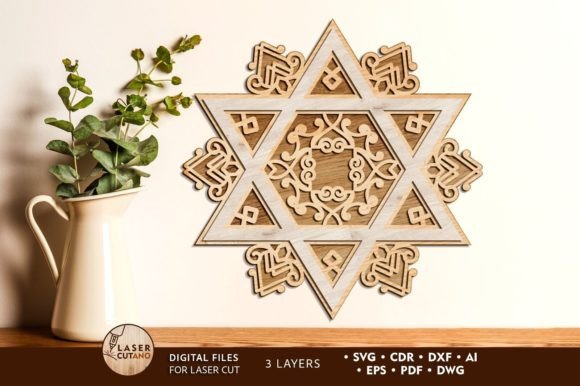
What makes this Native Wall Art asset particularly interesting for small handmade business owners is its versatility as a laser cutting template. The layered composition, clean silhouettes, and balanced negative space suggest it was built with cutting in mind. Wood, acrylic, and even heavy cardstock would all respond well to the contours here. I can easily see this becoming a bestseller at a craft fair, where a finished piece hanging in a booth would stop shoppers mid-stride. It also translates beautifully into the digital product space, where crafters can sell the cut file itself, offer finished physical pieces, or use it as a base for printable designs, sublimation projects, and personalized gifts.
First Impressions of the Native Wall Art Design
The moment I previewed the design, I noticed the balanced composition. The central motif is strong without being overwhelming, and the surrounding elements frame it gently, creating a natural focal point. This is crucial for wall decor, because a piece that hangs in a home needs to hold attention without creating visual clutter. The lines are intentional, the curves are smooth, and the overall silhouette reads well even at a thumbnail size, which matters enormously when you are listing on Etsy or any creative marketplace where that first tiny image makes or breaks the sale.
The style leans toward organic minimalism with a decorative edge. It is not overly intricate in a way that would frustrate a Cricut or Silhouette user, but it has enough detail to feel premium. I would describe it as earthy, elegant, and quietly bold. It fits perfectly into the kind of handmade shop that sells nature-inspired decor, intentional living products, or spiritual and cultural art. If your brand voice is warm, authentic, and rooted in craftsmanship, this design asset will feel like it belongs in your collection.
How This Laser Cutting Template Performs in Real Crafting Workflows
Let me walk you through what actually matters when you download a file like this and bring it into your crafting software. The first thing I always check is whether the SVG design opens cleanly. With this Native Wall Art template, the paths were well-organized, and I did not see stray nodes or broken lines. For laser cutting, that is non-negotiable. A poorly constructed file will cause your machine to jump, skip, or cut in places it should not, wasting expensive materials and time. This one imports smoothly into both LightBurn and Cricut Design Space, which is a relief for anyone who juggles multiple machines.
For Silhouette users, the PNG design is equally useful when you want to create a print-and-cut project. The resolution held up well when I scaled it to different sizes, and the transparency was clean, with no awkward white halos around the edges. If you are making stickers, gift tags, or greeting cards, this matters. A fuzzy edge on a sticker sheet screams amateur, and your customers will notice. The crisp lines here give you a professional starting point.
Projects Where This Design Truly Shines
Over the years, I have learned that not every design works for every product. Some files are meant for large-scale decor, and others fall apart when you try to shrink them. This Native Wall Art design performs best in larger formats, which makes sense given its purpose as a laser cutting template for wall decor. Here are the projects where it truly excels:
- Wooden wall art panels: Cut from birch plywood, walnut, or even bamboo, this design becomes a stunning finished piece that commands a premium price. A light sanding, a coat of natural oil, and you have a product that feels heirloom-quality.
- Acrylic decor pieces: For a more modern look, cut it from frosted or colored acrylic. These sell well in contemporary home decor shops and make excellent housewarming gifts.
- Large-scale printable wall art: Print it on textured fine art paper, frame it simply, and you have an instant product for your digital or physical shop. The design's earthy tones look beautiful printed in warm neutrals, deep terracotta, or even soft sage green.
- Sublimation designs for home goods: Transfer it onto a canvas panel, a wooden plaque, or a fabric wall hanging. The organic shapes hold up beautifully under heat press application.
- Tote bags and fabric decor: Use it as a bold centerpiece for a handmade tote bag, a cushion cover, or a fabric banner. The silhouette is strong enough to read clearly from a distance.
Where You Should Use Extra Caution
As much as I love this design, I have to be honest about its limitations. A responsible handmade business owner tests everything before committing to a full production run. Here is where I would pause and run a test before scaling up:
- Very small sticker sizes: While the design is clean, some of the thinner interior lines may become fragile when shrunk below two inches. Always do a test cut on your sticker paper before printing a full sheet.
- Layered vinyl projects: The design has organic, flowing shapes that are not ideally suited for complex multi-color vinyl layering. If you want to use it for a t-shirt design, stick to a single-color application or use it as a sublimation print instead of layered heat transfer vinyl.
- Low-contrast color schemes: Because the design relies on silhouette recognition, using pale colors on light backgrounds will wash it out. Make sure your mockups show strong contrast so customers can see the detail clearly.
- Thin-line cutting on delicate materials: If you are cutting it from very thin paper or fragile cardstock, some of the narrower interior details may tear. Use a fresh blade, a slower speed, and test your material settings carefully.
Practical Crafter Notes Before You Sell
I always say that the difference between a hobbyist and a successful handmade seller is testing. Here is my honest checklist for anyone planning to use this Native Wall Art design for customer orders or shop inventory:
- Open the SVG file and inspect every path. Look for stray nodes, overlapping lines, or unexpected breaks. Even if the file looks clean at first glance, zoom in and check. A few extra minutes here saves a ruined piece of wood later.
- Preview the PNG file at full size. Check the transparency edges. If you see any pixelation or rough edges, it may need a slight touch-up before printing, especially if you are using it for sublimation where every detail matters.
- Test colors before committing to a print run. Your screen colors and your printer colors are not the same. Print a small sample, hold it under different lighting, and make sure the tones match your brand aesthetic.
- Place the design on real product mockups. Do not just visualize it. Drop it onto a wooden plaque mockup, a framed print, or a tote bag template. This helps you see how it will look in your shop listings and gives you a realistic preview of scale.
- Resize thoughtfully for different products. The design that works beautifully on a twelve-inch wall panel may feel cramped on a mug. Adjust proportions, simplify if needed, and always test the resized version before listing it.
- Pair it with complementary fonts. If you are adding text for a personalized gift, a handwritten script font softens the design, while a clean sans serif font gives it a modern edge. A serif font adds warmth and a slightly traditional feel, which can work beautifully for family name signs or meaningful quotes.
- Confirm commercial licensing. Before you sell any finished product, read the license terms carefully. Some design assets are for personal use only, and you do not want to risk your shop standing over a licensing oversight.
Why This Design Belongs in a Handmade Business Collection
I have tested hundreds of graphic design assets over the years, and the ones that earn a permanent place in my collection share a few traits. They are versatile, they are well-constructed, and they appeal to a clear customer. This Native Wall Art design checks all three boxes. Whether you are a Cricut user crafting custom decor for a local market, a Silhouette user building a sticker and printable product line, or a laser cutting enthusiast selling high-end wall art on Etsy, this file gives you a strong foundation to work from.
For print-on-demand sellers, the design translates cleanly onto canvas prints, framed posters, and fabric wall hangings. For handmade business owners who focus on craft fairs and in-person markets, a finished piece cut from wood or acrylic creates an eye-catching display that draws customers in. For digital product creators, the file can be bundled into a larger design collection, paired with coordinating elements, and sold as a commercial design bundle for other makers to use.
Making the Design Feel Like Your Own
One question I hear often from handmade sellers is whether a purchased design will make their products feel generic. The answer depends on how you use it. With this Native Wall Art asset, you have plenty of room to add your own creative voice. Experiment with different materials, a dark walnut wood gives a completely different feel than a whitewashed pine. Play with scale, a large statement piece creates drama, while a smaller version becomes a thoughtful gift tag or a set of coasters. Add your own typography, your own color palette, your own finishing techniques. The design is the starting point, but your craftsmanship and your brand aesthetic are what make the final product unique.
I also recommend creating a small collection around this piece. A cohesive product line with a matching aesthetic, perhaps a wall panel, a set of greeting cards, and a fabric wall hanging, encourages customers to buy multiple items. It also strengthens your brand identity and makes your shop feel curated rather than random. This design's earthy, grounded style pairs well with natural textures, warm neutral tones, and other nature-inspired elements.
Final Thoughts From a Crafter Who Has Learned the Hard Way
If you are on the fence about this Native Wall Art laser cutting template, let me leave you with this. Good design assets are not just about how they look on a screen. They are about how they behave in your machine, how they hold up under production conditions, and how they connect with real buyers. This one is built well, it has a clear aesthetic that appeals to a specific and appreciative audience, and it offers enough flexibility to work across multiple product types. Test it, make it your own, and then create something beautiful. Your customers are waiting for decor that feels intentional, and this design helps you deliver exactly that.