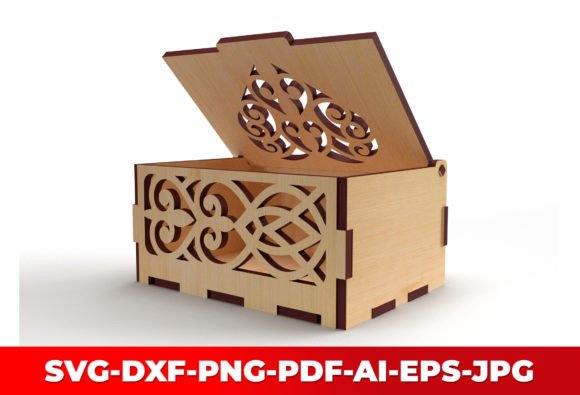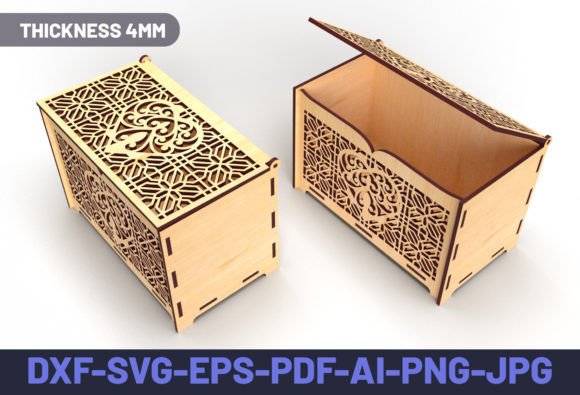
Wooden Heart Box Laser Cutting Design for Gift Boxes
When I first opened the Wooden Box with Heart Laser Cut Gift Box file, I immediately pictured a line of handcrafted keepsake boxes nestled in tissue paper, ready for a Valentine’s drop or a bridal boutique order. The design strikes a thoughtful balance between rustic warmth and clean, modern simplicity. The heart isn’t overly ornate—it’s an open, confident silhouette that works equally well for a masculine wood-grain gift box and a delicate, whitewashed jewelry box. As a handmade seller, I look for assets that don’t just decorate a surface but define the product’s personality. This one feels like a quiet invitation to slow down, which is exactly the mood my customers crave when they’re buying something meant to hold a ring, a handwritten note, or a tiny dried flower.
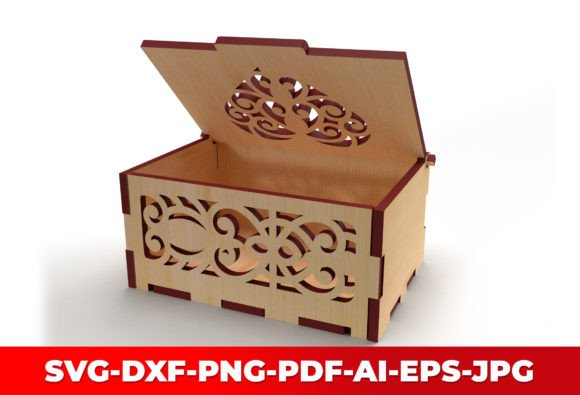
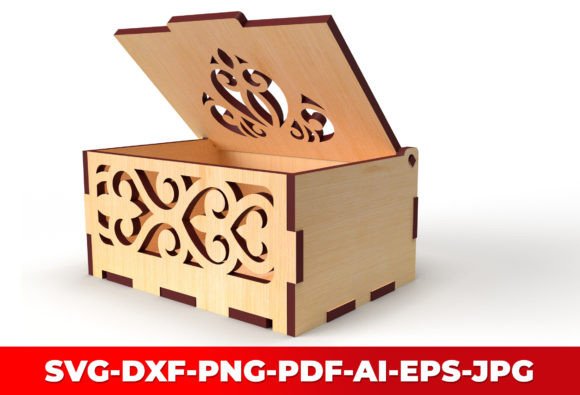
The laser cutting file is purpose-built for wood, and the dimensions (H140, as noted in the Ornaments Wooden Gift Box Laser Cut Bundle) suggest a perfectly sized decorative box with a lid. What I appreciate from a production standpoint is that the design doesn’t try to do too much. The heart is integrated into the box structure, not just etched on top. That means the final piece can be stained, painted, or left natural, and the heart remains a functional cutout—a peek-through detail that adds tactile interest. For a small business owner running a Glowforge or other laser cutter, this kind of file cuts down on assembly guesswork. The pieces feel intentional, and the SVG lines were clean in my initial preview, which is crucial when you’re batch-producing for a craft fair.
A Silent Salesperson for Your Handmade Shop
This design doesn’t scream; it whispers. That’s the mood it creates—cozy, elegant, and slightly sentimental without being saccharine. It’s the kind of box a customer might pick up, turn over in their hands, and then immediately imagine holding a keepsake, a piece of jewelry, or a small luxury item. If your brand leans into natural materials, minimal gift packaging, or giftable home décor, this asset will attract buyers who value craftsmanship over flash. I’ve found that the sweet spot for this style is the thoughtful gift buyer—someone celebrating an anniversary, a mother’s day, or a milestone that deserves something more than a generic box.
What Sells: Crafting Ideas That Put This Design to Work
While the file is primarily a laser cutting design, the SVG format opens up a surprising number of uses for Cricut and Silhouette users who love working with wood sheets, chipboard, or even thick cardstock. Here’s how I’ve envisioned using the Wooden Box with Heart Laser Cut Gift Box in my own handmade business and for client orders:
- Real wood gift boxes cut on a Glowforge or xTool for ring boxes, keepsake urns, or small treasure boxes.
- Cardstock favor boxes for weddings or baby showers—cut the file on kraft cardstock and assemble with a glue dot for a lightweight, charming gift box.
- Product packaging for handmade jewelry, candles, or soap. A miniature version of the box adds instant perceived value.
- Sticker design using the heart silhouette as a standalone clipart element. Resize it for planner stickers, envelope seals, or product labels.
- Sublimation box blanks — use the heart motif as a sublimation design on a ready-made wooden box, creating a hybrid handmade look.
- Printable template for customers who want to cut and assemble their own box at home. Offer it as a digital product in your Etsy shop.
- Decorative accents for larger projects—attach the cut heart as an appliqué on a wooden sign, tray, or wall art piece.
I’ve also used similar vector files to create matching gift tags and thank-you cards. By pulling the heart shape into a separate layer, I can resize it for a tiny laser-cut tag tied to the box with twine. That kind of cohesive branding is what turns a one-time buyer into a repeat customer at a craft fair or online marketplace.
Where the Design Shines: Large Formats and Clean Mockups
This asset truly excels when you give it room to breathe. The 140mm height suggests a box that’s substantial enough to be a statement piece, not a trinket. The open cutwork means no tiny islands to worry about breaking, which is a huge advantage for crafters who have struggled with fragile laser cut designs. In my experience, laser cutting projects that rely on bold, continuous lines are far more forgiving, and this file delivers that. I placed the design on a product mockup—a wooden box with a dark walnut stain—and the heart cutout popped beautifully, letting the background color show through. That’s a detail that photographs well for Etsy listings, where product photos need to convey texture and dimension.
It also works beautifully as a printable design when converted to a scored fold line template. If you’re not a laser cutter owner, you can still use the vector paths to create a scoring template for a cardstock box. The clean geometric heart shape translates well to a print-and-cut project, and the result is a box that feels handcrafted even if it’s assembled with a paper creaser.
When to Use Caution with Intricate Details
No design is a one-size-fits-all miracle. While the heart cutout is beautifully simple, I’d be cautious about scaling it down too aggressively. If you try to shrink this for a very small sticker—say, under 1.5 inches—the details around the lid and box edges might become too fine for a clean cut on a household Cricut. The same goes for layered vinyl projects on a shirt: the heart is a negative space element, so you’d need to carefully weed and apply it. I’d avoid using this as a thin, low-contrast iron-on unless you’re comfortable with inversion and registration. For small-scale sticker sheets, I’d extract just the heart shape and use it as a standalone clipart PNG with a transparent background. That way, you preserve the sentiment without the complexity of the box edges.
Also, if you’re planning to use this as a tumbler wrap or a full-surface mug design, the box shape might feel too literal. Instead, I’d use the heart as a repeating motif or a subtle watermark. The key is to keep the design readable, especially when customers are browsing quickly on a phone screen.
Real Crafter Notes: Prepping This File for Your Shop
Before you hit “cut” or “print,” I always recommend a few practical checks—especially if you’re selling finished products. Here’s what I learned from testing similar design assets:
- Inspect the SVG lines in your software of choice. Look for open paths, duplicate nodes, or stray points. The file I received was clean, but a quick “break apart” in Cricut Design Space or LightBurn helps confirm.
- Check PNG resolution if you’re using the included raster file for sublimation. The preview should be at least 300 DPI at the final print size. For a 5.5-inch box, that’s around 1650 pixels wide.
- Test on scrap material first. Wood varies by density and grain. I cut a sample on 3mm birch plywood and adjusted the speed slightly to get a clean edge without scorching.
- Try it on both light and dark wood. The heart cutout will look entirely different against a pale maple versus a dark walnut. I often photograph both versions for my Etsy listings to show the range.
- Place it on real product mockups before creating a production run. This helps you spot proportion issues—like a lid that’s too tight or a base that’s too shallow—before you commit to a full batch.
- Simplify the layout if needed. If you’re making a bulk order of 50 boxes for a wedding, you might want to separate the heart into a single cut file for speed, rather than dealing with multiple scored fold lines.
- Confirm commercial licensing. The product description mentions a commercial license is included, but I always double-check the terms. If you’re selling finished boxes or using the design inside a physical product, you need to know your rights.
Font Pairings and Branding for a Cohesive Look
When I’m designing a product line around a box like this, I think about what goes on the outside. A small tag, a branded sticker, or a thank-you card elevates the entire experience. For this heart-shaped cutout, I’ve had success pairing it with:
- Serif fonts like Cormorant Garamond for a classic, jewelry-brand feel.
- Handwritten fonts that mimic a personal note—perfect for a “with love” tag.
- Clean sans serif for a modern, minimalist look, especially if the wood is left raw and the box is used for a tech-style gift.
- Script fonts with a light, airy stroke that balances the solid heart shape.
The heart itself can become a tiny logo element if you run a small business. I’ve seen sellers use it as a watermark on their packaging sleeves or as a repeating pattern inside the box lid. It’s a flexible graphic design asset that supports brand recognition without overwhelming the product.
Commercial Licensing and Selling Finished Products
This is where many crafters stumble. The Wooden Box with Heart Laser Cut Gift Box is sold as a digital file, and it’s crucial to understand what you can do with it. The product listing indicates it’s part of a design bundle and includes vector files for wood laser cutting. If the license allows it, you can sell the physical boxes you produce—at craft fairs, on Etsy, or through your own website. But you cannot resell the digital file itself unless you’ve purchased a separate extended license. Always read the terms. I keep a folder for each asset with a screenshot of the license, so I can quickly reference it if a customer asks about custom orders or wholesale.
For print-on-demand sellers, this file isn’t a direct fit unless you’re working with a POD supplier that offers laser-cut wooden boxes. But you can adapt the heart motif for things like tote bags, mugs, or t-shirts, as long as the final product is a printed design, not a cut file. The heart’s clean lines translate well to a sublimation design or a screen-printed graphic.
Is This Design Right for Your Handmade Business?
I’d say yes if you’re a maker who loves natural materials, if you sell at in-person markets where the tactile quality of a product matters, or if you’re building a brand around intentional, slow-made gifts. It’s not the best fit if you’re looking for a quick, high-volume sticker design or a trendy tumbler wrap—though with a little creativity, the heart can still be borrowed for those uses. What I value most is the file’s reliability. The dimensions are practical, the cut lines are clean, and the final product looks like something you’d find in a high-end boutique. That’s the kind of asset that earns its keep in a handmade business, season after season.
I’ve already planned a small batch of these boxes for a spring market, and I’ll be bundling them with a set of handmade soaps. The heart on the lid says everything without needing a word. That’s the power of a well-designed laser cutting file—it turns a simple piece of wood into a story.