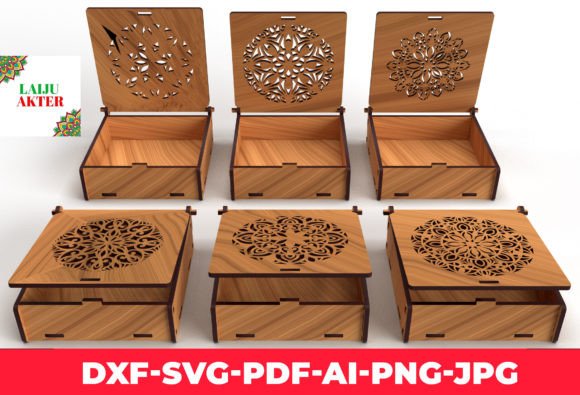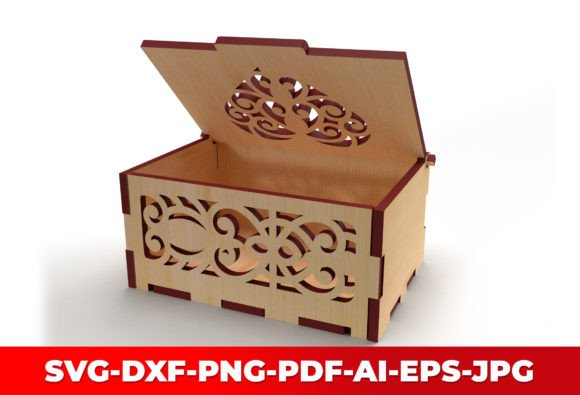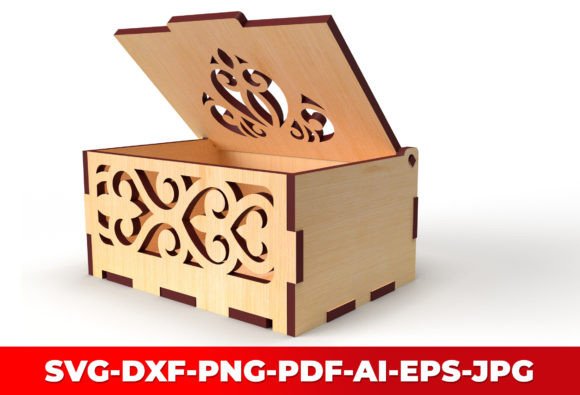
Personalized Birthday Gift Card Holder for Laser Cutting
When I’m building out a new seasonal collection for my Etsy shop or planning a product drop on Creative Fabrica, I always test a design asset thoroughly before committing to a full production run. Recently, I downloaded this Personalized Birthday Gift Card Holder laser cutting file to see if it could work as a standalone product and as part of a larger Birthday themed bundle. The archive came clean, all files neatly organized, and the claiming was exactly what every seller wants to hear: just download, modify the layout, and start cutting. The promise that you can paint it in any color or decorate it however you like after cutting opens up huge creative potential for commercial use.
Right away, I could see this asset fitting into a handmade business that sells finished party decor, or even as a digital download for other crafters who want a straightforward, customizable project. The fact that it’s designed for Laser Cutting gives it a precision edge that appeals to buyers who value clean, professional results. I spent a few days putting it through mockup scenarios, adjusting the layout, and testing how it would look in a real online listing. Here’s my honest breakdown for fellow digital product creators, Etsy sellers, Cricut users, and anyone selling physical or digital goods online.
First Impressions and Unpacking the Files
The download was a single archive containing multiple file formats. For a laser cutting asset, you typically expect at least a vector file, and this delivered. I found formats that easily imported into LightBurn, as well as SVG versions that I could test in Cricut Design Space. The file structure was logical, with no confusing duplicate folders. As a seller, I appreciate that because it means I can immediately transfer the usable files into my product creation folder without re-naming everything.
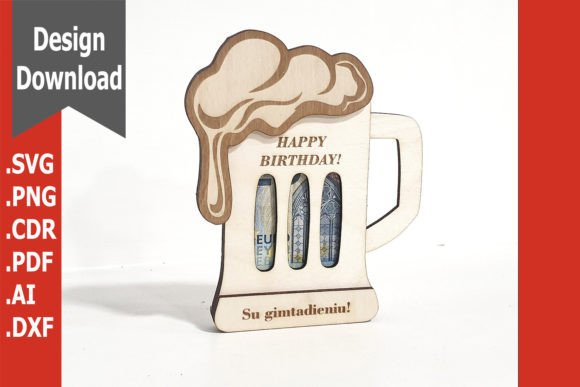
The design itself is a gift card holder with a slot that fits standard gift cards. The cut lines are clean, and the personalized element is clearly shown through a text area that can be edited before sending to the laser. The description says you can modify the design layout to suit your requirements, and that’s exactly what I did. I tweaked the name placement, adjusted the size slightly to fit a slightly thicker cardstock, and the file handled the edits without breaking. This flexibility is a major selling point if you plan to offer customized versions in your shop.
Design Aesthetic and Niche Appeal
The mood of this Personalized Birthday Gift Card Holder sits somewhere between playful and functional. It’s not overly decorative, which actually works in its favor. The base shape is clean enough that you can take it in different directions: paint it with pastel shades for a cute kids’ birthday theme, add metallic gold leaf for a more elegant party, or leave it in natural wood for a rustic, minimalist look. This versatility means the asset can appeal to a broad audience—parents, party planners, older birthday celebrants, and even corporate gift buyers looking for a small branded touch.
When I think about niche appeal, I see it fitting into the Birthday category on Etsy as a physical product, but also as a digital laser cutting file for other crafters who want to make their own. The ability to personalize the name makes it a strong candidate for a “custom order” listing, which often commands a higher price point. The design has a handmade feel without looking amateur, and that balance is crucial for attracting customers who shop on creative marketplaces.
Commercial Applications for Online Sellers
As a digital product creator, I’m always looking for assets that can spin off into multiple revenue streams. This laser cutting file is not just a one-time cut. Here are several ways I can see it being used in a real online shop:
- Physical product sales on Etsy or at craft fairs: Cut the holder from basswood, acrylic, or heavy cardstock, paint or decorate it, and sell the finished piece. Add a coordinating envelope or a card insert to create a complete gift set.
- Digital download listings: Sell the laser cutting files directly to other crafters, provided the commercial license permits it. Many buyers on Creative Fabrica and Etsy search for SVG and DXF files they can use with their own lasers or Cricut machines.
- Print-on-demand adjacent products: While the core is laser cutting, the blank holder can be photographed and used as a backdrop for sublimation mug mockups or tote bag presentations, tying the birthday theme into a larger collection of print-on-demand goods.
- Canva template integration: If you convert the cut file into a printable PDF or a layered template, crafters who don’t own a laser could still use it with a cutting machine. You can sell a “printable gift card holder template” that can be cut with scissors or a craft knife, expanding your audience.
- Social media graphics and promotional visuals: The holder itself, once cut and decorated, makes a great prop for Instagram posts or Pinterest pins promoting your birthday product line. It adds a tactile, handmade element that performs well on visual platforms.
The key is to think beyond the laser cutter. The design can be repurposed as a graphic design asset for mockups, as a digital product in a bundle, or as a standalone commercial design for party supplies. I especially like the idea of pairing it with a matching birthday card SVG or a set of stickers to create a themed collection that increases average order value.
Testing the Asset Before Listing Your Product
Before I ever publish a listing, I run every asset through a rigorous testing phase. With this Personalized Birthday Gift Card Holder, I started by cutting a test piece from 3mm Baltic birch plywood. The cut lines were precise, and the slots for the gift card aligned perfectly. I then tried a 300gsm cardstock on a Cricut Maker, and the SVG cut cleanly, though I had to dial in the pressure settings to avoid tearing on the intricate inner corners. That’s a note I’d include in the product description if I were selling the file—recommended materials and settings.
Next, I painted one sample with acrylic paint, let it dry, and inserted a gift card. The paint didn’t warp the wood, and the card fit snugly. I also left one raw and applied a light wood stain, which gave it a premium, rustic look. The description says you can paint in any color or decorate, and that holds true. I even tried adding a layer of glitter cardstock as an overlay, and the result was festive and eye-catching. These variations are exactly what I’d photograph for a listing to show the product’s versatility.
For digital sellers, I also recommend testing the file on a few different software versions. I opened the SVG in Illustrator, Inkscape, and Cricut Design Space. Each read it without issues, though the text layer in some programs required a slight font adjustment if the original font wasn’t installed. That’s a minor point, but I’d bundle the file with a note about font compatibility or include a version with the text converted to outlines.
Where This Design Shines in Product Photography and Listings
When I mock up a product for an Etsy listing, the thumbnail is everything. This Personalized Birthday Gift Card Holder photographs beautifully. Its shape is distinctive enough to stand out in a small square image, but not so complicated that it looks cluttered. I photographed it on a white background with a colorful gift card peeking out, and the contrast was strong. On a dark background, a painted version popped even more. The visual clarity helps build customer trust because they can immediately see what they’re buying.
For bundle listings, this holder works as a featured item. If you’re selling a “Birthday Party Decor SVG Bundle,” including this with a banner, cupcake toppers, and a favor box creates a cohesive collection. The holder’s design language is simple enough to match other pieces without clashing. From a branding perspective, you can adopt a consistent color palette across all photos, and the holder will tie the look together. That kind of visual storytelling increases perceived value and can lead to higher click-through rates on marketplaces.
Where to Use Caution
No asset is perfect for every scenario. There are a few places where I’d be careful with this Laser Cutting design. The personalized text area is a central feature, but if a buyer wants to use it for a sticker design or a tiny Cricut project, the fine details around the lettering might become too fragile at small sizes. I’d avoid scaling it down below about 50% of the original dimensions unless you’re using a very stable material. Similarly, for sublimation or print-on-demand products like a mug or t-shirt, the cut lines are irrelevant. You could use the outline as a graphic, but it would lose its main function. So I wouldn’t force this asset into a product category that doesn’t need a cuttable holder.
Another point: if you’re selling the file as a digital download, be transparent about the complexity. While the design is straightforward, some crafters might struggle with the laser settings if they’re new. I’d include a simple instruction sheet with material recommendations and a quick start guide. Also, check the terms of the commercial license carefully. Many laser cutting files come with restrictions on reselling the file itself, so you may need to only sell the finished physical product. Clarify that for your own shop and for your customers.
Seller Notes for a Smooth Customer Experience
After working with this asset, I compiled a list of practical tips for anyone planning to sell products based on it:
- Organize the files for customers: If you’re selling the digital file, rename the formats clearly (SVG, DXF, AI, etc.) and include a PDF with a preview image and basic instructions.
- Confirm resolution and cut quality: For a laser cutter, vector files are resolution-independent, but check that all nodes are clean and there are no stray lines that could cause unwanted burns.
- Test on multiple materials: Wood, acrylic, leather, and cardstock all behave differently. Offer a material recommendation in your listing to reduce customer frustration.
- Pair with complementary fonts: If you’re customizing the name, try pairing it with a script font for a feminine feel, a bold sans serif for a modern look, or a playful handwritten style for kids. The holder’s design is neutral enough to work with any of these.
- Check commercial licensing: Before selling finished products or the digital file, ensure you have the right to use it commercially. Many designers allow limited physical sales but restrict file redistribution.
- Use realistic mockups: Show the holder in a lifestyle setting—next to a wrapped gift, on a party table, or held in a hand—to help buyers visualize the product’s scale and use.
Final Verdict for Product Creators
This Personalized Birthday Gift Card Holder is a solid, practical asset for anyone in the Birthday niche who offers laser-cut products or digital files for crafters. It’s not overly flashy, but it fills a specific need: a customizable, sellable item that elevates a simple gift card presentation. The ability to download, modify the layout, and immediately use it for cutting gives you a quick path to a new product listing. And because it caters to personalization, you can charge a premium for custom orders.
For Etsy sellers, Creative Fabrica contributors, and Shopify store owners building a handmade brand, this file is worth testing. It’s also a smart addition to a larger digital product bundle or a seasonal collection. I’ll be listing it in my store as a physical item with a few finish options, and I’ll also offer the SVG separately for fellow crafters. The key is to present it clearly, show its versatility, and support your customers with good instructions. If you’re scaling a small business, having a reliable, easy-to-produce design asset like this one keeps your inventory fresh without overwhelming your production time.