Ornaments Wooden Gift Box Laser Cutting Review
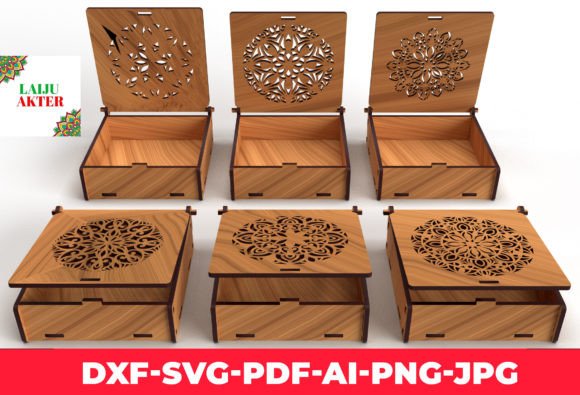
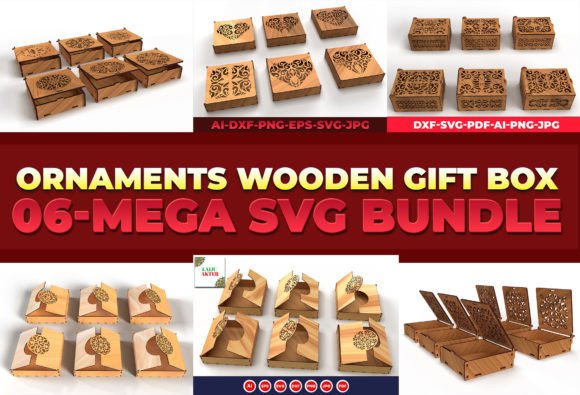
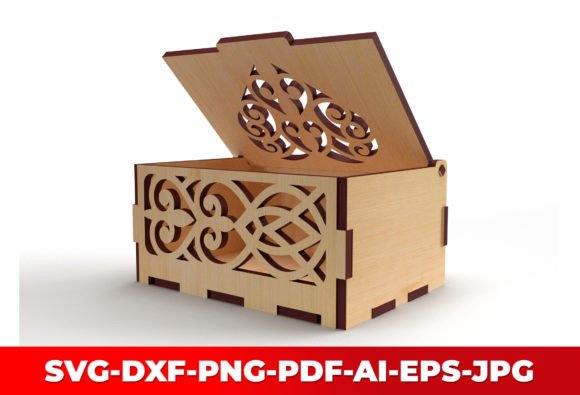
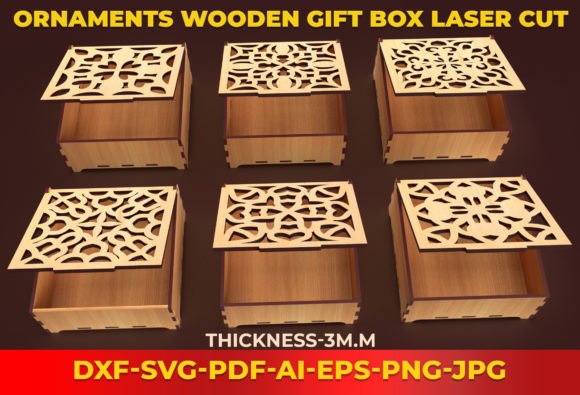
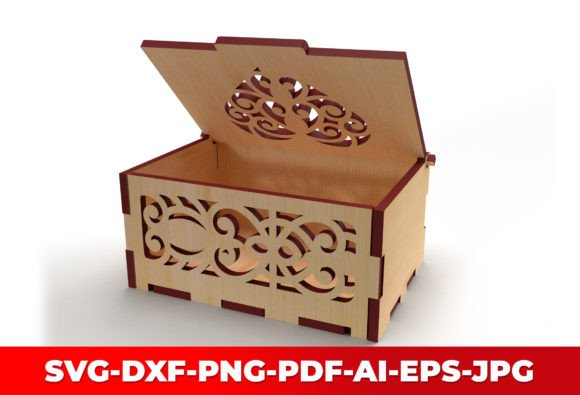
When a client who runs a small handmade jewelry brand asked me to refresh their packaging line, I started hunting for design assets that could bring warmth and craftsmanship into their product presentation. The Ornaments Wooden Gift Box Laser Cut 12 caught my attention within minutes of browsing. It is not just another decorative box template. The ornament detailing feels intentional, almost architectural, with a rhythm that reminds me of vintage European woodwork meeting modern laser precision. The first impression is quiet elegance, not loud ornamentation, which immediately made me think of boutique unboxing experiences and limited-edition seasonal collections.
What stands out is how the vector files translate across different viewing distances. When you zoom in, the ornate cutwork holds its integrity without turning into visual noise. When you pull back, the overall silhouette reads cleanly as a gift box with lid, not a chaotic pattern. That balance is rare in laser cutting design files, especially ones marketed across multiple creative marketplaces. The mood it creates leans toward artisanal, heritage-inspired, and slightly romantic, making it a strong candidate for brands that trade on storytelling and tactile quality.
First Impressions of the Ornament Detailing
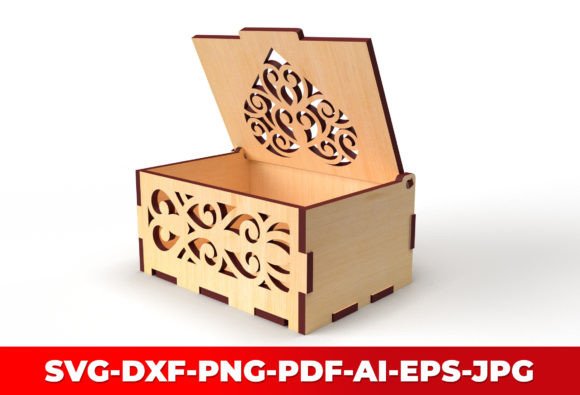
Opening the file set, I immediately noticed how the ornamental motifs are distributed across the box surface. The pattern has breathing room. Too many laser cut gift box designs pack in excessive detail that becomes fragile or burns out during cutting. This one uses negative space wisely, which matters when you are working with wood material on a Glowforge or similar laser cutter. The decorative elements feel considered, not randomly scattered. The lid design in particular has a focal point that draws the eye naturally to the center, which is exactly where a brand logo or monogram would sit beautifully.
For a client project, that kind of compositional intelligence saves time. You are not fighting the asset to make room for branding. The design already anticipates that a business name, initials, or small emblem will occupy the prime real estate. That is the mark of a digital product created by someone who understands how commercial design actually works, not just how to make something look pretty on a screen.
Where This Laser Cutting Design Shines Brightest
In real design situations, the Ornaments Wooden Gift Box Laser Cut 12 performs exceptionally well as a packaging centerpiece. If you are designing for an Etsy shop that sells handmade soaps, artisan candles, or bespoke jewelry, this box template elevates the entire product presentation. The decorative lid becomes part of the gift itself, rather than disposable wrapping. That is a powerful selling point for brands that emphasize sustainability and keepsake-quality packaging.
I tested the visual by placing it into product mockups for a fictional botanical perfume brand. The laser-cut ornament detail softened the geometric rigidity of the box shape, introducing an organic, handcrafted feel that complemented the natural ingredients story. When used as a hero graphic in social media posts, the box photographed beautifully, with light catching the cutout edges and creating depth that flat-printed packaging simply cannot achieve.
Beyond packaging, this asset works as a decorative accent in larger branding systems. The ornamental motifs can be extracted and repurposed for loyalty cards, thank-you notes, tissue paper stamps, or even website favicon patterns. The vector files allow for that kind of creative flexibility, which is essential when you are building a cohesive visual identity across multiple touchpoints.
Client Projects That Naturally Fit This Style
Not every client needs a laser-cut wooden gift box. But when the fit is right, it is immediately obvious. This design suits handmade businesses, boutique skincare lines, artisanal food producers, wedding favor suppliers, and seasonal gift curators. The ornament style leans traditional without feeling dated, which means it crosses over nicely into modern rustic, farmhouse chic, and soft heritage aesthetics. I would not pitch this to a tech startup or a minimalist streetwear brand. The detailing would feel out of place in those contexts, no matter how well executed the cutting is.
For a recent project with a local event organizer planning a holiday market, this box design became the anchor for the entire vendor packaging strategy. We created a cohesive collection of wooden gift boxes in varying sizes, all using the same ornamental language. The client reported that customers kept the boxes long after the event, using them as keepsake containers. That kind of brand longevity is gold for small businesses operating on tight marketing budgets.
Technical Considerations When Working with Wood Material
Laser cutting on wood material introduces variables that screen-based designers sometimes overlook. The Glowforge SVG dimensions listed for this product are 160mm by 100mm, a compact size that suits small to medium gift items. Before committing to a large production run, I always recommend testing the file on the specific wood type you plan to use. Birch plywood cuts differently than basswood or walnut. The ornamental cutouts that look airy and delicate on screen may become fragile in thinner materials or require adjusted power settings on denser woods.
One practical check I perform is reviewing the vector paths for redundant nodes and overly complex curves. Clean vector files reduce cutting time and minimize burn marks. The Ornaments Wooden Gift Box Laser Cut Decorative Laser Cut Jewelry Box With Lid file set I received had well-organized paths, with the lid and base clearly separated. That makes it easy to assign different cut settings or even different materials for the lid versus the box body. The vector files for wood laser cutting should always be tested at actual size, never judged solely by the preview thumbnail.
How the Design Performs Across Different Branding Scenarios
I ran this asset through a series of branding simulations to see how it held up. Paired with a delicate serif font, the ornamental box felt traditional and elevated, perfect for a heritage brand. Combined with a clean sans serif logo, the contrast between modern typography and intricate laser cutting created a sophisticated tension that worked well for contemporary craft brands. With a flowing script font, the overall look became romantic and bridal-appropriate, which opens up the wedding favor market.
The box also functioned surprisingly well as a supporting element in editorial design mockups. When placed behind product photography in a catalog layout, the laser-cut pattern added texture without overpowering the hero product. In digital ads and Pinterest pins, the dimensional quality of the cutout shadows gave the flat image a tactile feel that stopped the scroll. Those are the kinds of performance details that matter when you are presenting concepts to a client who needs to see real-world application, not just an isolated asset.
Where Caution Is Needed in Application
Every design asset has limitations, and being honest about them is part of professional judgment. The Ornaments Wooden Gift Box Laser Cut 12 should be used carefully at very small sizes. The ornamental detailing starts to lose definition below a certain threshold, especially if the final output is a printed sticker or a reduced-scale social media icon. The intricate cutwork can also become visually busy when placed on complex backgrounds or layered over photographic textures. For clean brand applications, give this asset space to breathe.
Minimalist branding projects that rely on extreme visual restraint will find this design too decorative. Corporate materials that require sterile, clinical precision are not the right home for this box either. The emotional appeal of the ornamentation actively works against the kind of cold, authoritative tone that professional services and B2B brands often require. Understanding where not to use an asset is just as important as knowing where it excels.
Testing the Asset for Commercial Design Work
Before using any digital product in a client project, I run through a standard checklist. First, I test the design in pure black and white to see if the ornament structure holds up without color to carry the visual weight. This file passed that test cleanly. The cutout pattern remained legible, and the relationship between solid and void areas stayed balanced. Second, I check contrast on both light and dark backgrounds. On a dark wood material, the cutout areas appear as glowing negative space, which creates a completely different mood than the same design on pale birch. Both versions work, but they communicate differently, so choose based on the brand personality you are building.
Previewing at multiple sizes is essential. I scaled the design down to a thumbnail for a website product grid and up to a full hero graphic for a landing page. At thumbnail size, the finer ornamental details merged slightly, but the overall box silhouette remained recognizable. At large scale, the precision of the laser cutting vectors became a legitimate visual feature, almost like a piece of graphic art in its own right. Print quality testing on actual wood material revealed that the 160mm by 100mm dimensions produce a box that feels substantial in the hand without being oversized for jewelry or small keepsakes.
Commercial Licensing and Creative Marketplace Use
One of the most important checks for any designer sourcing assets from creative marketplaces is confirming the commercial license terms. The Vector Files For Wood Laser Cutting included with this product should be reviewed for usage restrictions before you incorporate them into client work or sell physical products made from the cut files. Many digital sellers allow commercial use of the physical items produced, but restrictions on reselling or redistributing the digital files themselves are standard. Always read the license, and when in doubt, reach out to the seller for clarification. A few extra minutes of due diligence protect your professional reputation and your client relationships.
For print-on-demand sellers and Etsy product creators, this box design offers a clear path to a differentiated product line. The ornamentation sets it apart from generic laser-cut boxes that flood the market. Combined with thoughtful branding, custom interior lining, or personalized engraving on the lid, the final product can command a premium price point. The design asset becomes the foundation, but the value comes from how you build upon it.
Why This Asset Earns a Place in a Designer Toolkit
After working with the Ornaments Wooden Gift Box Laser Cut 12 across multiple simulated client scenarios, I see it as a versatile, well-structured addition to a designer toolkit that serves the handmade and boutique business sector. The ornament detailing is neither too generic nor too niche, striking a sweet spot that allows for broad application while still feeling distinctive. The vector quality is solid, the dimensional proportions are practical, and the aesthetic flexibility across different branding styles is genuinely useful.
For designers who regularly create packaging concepts, product mockups, or brand identity systems for artisanal businesses, this laser cutting file saves hours of pattern development. It provides a ready-to-use, tested structure that can be customized, recolored, resized, and adapted to fit specific project needs. The visual trust it builds through consistent, clean ornamentation translates directly into the kind of polished, professional presentation that clients notice and customers remember.
Ultimately, the Wooden Gift Box Laser Cut design succeeds because it understands its role. It is not trying to be the hero of every design. It is a supporting player that elevates the main product, adds perceived value through craftsmanship cues, and extends the brand experience into the unboxing moment. In a market where packaging is increasingly part of the product story, that is a valuable creative asset to have ready.